The Nature of Luck in Gambling
Luck is an intrinsic element of gambling, acting as the unpredictable force that can sway outcomes dramatically. In a casino environment, success often hinges on chance, as many games offer randomness that is impossible to predict accurately. For example, the spin of a roulette wheel or the roll of dice in craps can yield surprising results that are entirely beyond the player’s control. This unpredictability keeps players engaged, as every game presents a new set of possibilities, including options like bitcoin betting that capture the essence of why people are drawn to casinos.

While skill can influence certain games, such as poker, the fundamental nature of many casino games relies heavily on luck. For instance, in slot machines, players can make no significant strategic decisions—the outcome is purely the result of random number generators. This randomness means that even the most seasoned gambler can experience both incredible highs and painful lows, reinforcing the idea that luck is a pivotal factor in gambling. Such experiences often shape a gambler’s perception of success and can lead to a cycle of hope and disappointment.
The inherent nature of luck in gambling can also lead to psychological phenomena, such as the gambler’s fallacy, where individuals mistakenly believe they can predict future outcomes based on past results. This ongoing relationship with luck becomes a double-edged sword; players may feel empowered by the idea that they can influence their fortunes, yet they are constantly reminded of the whims of chance. This juxtaposition of skill and luck creates a dynamic gambling environment that shapes individual experiences and their overall success in casinos.
The Impact of Luck on Player Behavior
Luck plays a significant role in influencing player behavior within casinos. When players experience a streak of good fortune, such as a significant win at the slots or a successful poker hand, they often feel a surge of excitement and confidence. This rush can lead to increased bets and a willingness to engage more deeply with the games being played. The thrill associated with hitting a jackpot or winning a crucial round drives many to return to casinos, convinced that their luck will hold out. This cycle can result in a lasting relationship with gambling, one that is often fueled by misplaced optimism.
Conversely, when luck runs dry, players may find themselves disheartened, which can affect their decision-making and overall enjoyment. A losing streak can lead to frustration, prompting players to chase losses by increasing their bets in the hopes of recouping their funds. This behavior can lead to negative outcomes and further losses, creating a precarious balance between the thrill of potential winnings and the risk of significant losses. Understanding how luck can influence behavior is essential for both players and casino operators, as it shapes the environment and the dynamics of play.
This understanding of luck can also enhance the experience of casual players who frequent casinos for entertainment rather than for serious gambling. For these individuals, the element of chance adds a layer of excitement that makes their visits worthwhile. The unpredictability of luck can transform a simple night out into an unforgettable experience, capturing the allure of casinos as entertainment venues. By recognizing the role of luck, players can approach gaming with a mindset that balances enjoyment and risk, ultimately leading to a more fulfilling experience.
The Role of Luck in Different Casino Games
Different casino games illustrate the distinct ways in which luck plays a critical role in determining outcomes. For example, in games like blackjack, while players can employ strategies to maximize their chances of winning, the ultimate result still depends on the cards dealt. A lucky draw can turn a losing hand into a winning one, emphasizing the importance of chance in the overall gaming experience. Consequently, players often find themselves relying on favorable luck to secure wins, reinforcing the idea that outcomes can be unpredictable regardless of strategy.
In contrast, games like baccarat are predominantly luck-based, with little room for strategy. Players simply place bets on outcomes, reflecting a reliance on chance for success. The simplicity of these games highlights how luck dictates the flow of play, as fortunes can change on a single draw of a card. Such experiences reflect the excitement and potential volatility that luck introduces to the gaming experience, assuring that every round could lead to unexpected rewards.
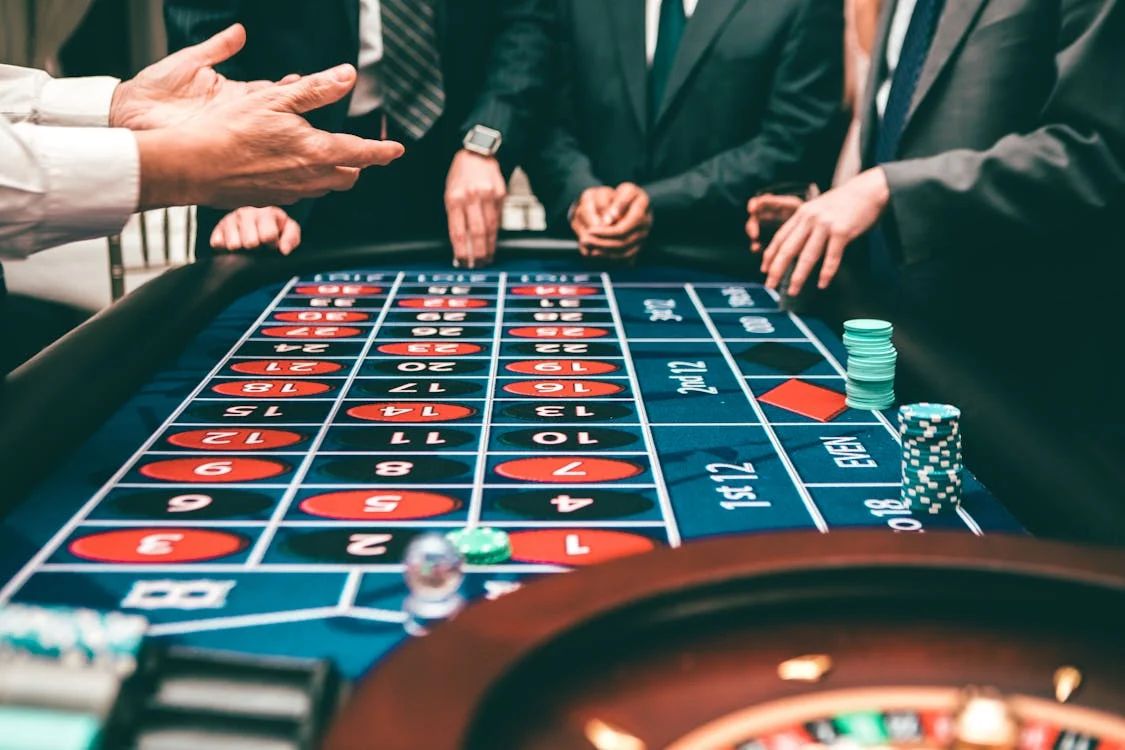
The mechanics of games like roulette further illustrate this dependence on luck. With numerous betting options, players wrestle with choices that ultimately have unpredictable outcomes. The ball can land on any number, disregarding previous spins. This random nature creates a thrilling atmosphere in which players embrace the uncertainty, demonstrating the allure of chance within the casino environment. As players engage in these games, they become acutely aware of how luck plays a decisive role, often leading to both exhilarating and disappointing outcomes.
Strategies for Managing Luck in Casino Gaming
While luck cannot be controlled, players can implement strategies to manage their gambling experiences effectively. One approach is setting clear budgets and limits to minimize the impact of disappointment when luck does not favor them. By determining in advance how much they are willing to spend, players can focus on enjoying the experience rather than chasing losses. This strategic mindset allows for a more calculated approach to gambling, fostering a healthier relationship with chance and its unpredictable nature.
Another effective strategy revolves around understanding the odds and rules of various games. By being informed about which games offer better probabilities and payouts, players can make informed decisions about where to allocate their time and money. Games with a lower house edge, for example, may provide better opportunities for success in the long run. This understanding empowers players to approach their gambling experience with insight, allowing them to hedge their bets against the whims of luck.
Ultimately, players should also embrace the entertainment aspect of casino gaming. Understanding that luck is a significant factor in the equation can lead to a more enjoyable experience. Instead of fixating on winning, players can shift their focus to the fun and social aspects of gaming, recognizing that luck is merely one part of a larger picture. This mindset fosters a healthier approach, allowing individuals to savor each moment spent in the casino environment while managing the inevitable ups and downs that come with playing games of chance.
Understanding Luck and Its Influence on Online Gambling
The rise of online casinos has transformed how players engage with luck and gambling. In the online space, the role of chance remains paramount, much like in traditional casinos. Players still depend on random outcomes generated by software algorithms, emphasizing that luck continues to dictate the course of gaming experiences. However, the accessibility of online platforms allows for a broader exploration of different games and betting strategies, influencing how players perceive luck and its role in their success.
Additionally, online gambling provides an opportunity for players to utilize technology to manage their gaming habits more effectively. Many platforms offer tools that allow users to set limits on their spending and playtime, ensuring they remain in control amid the high-paced excitement driven by luck. These features help players understand that while luck is an integral part of online gaming, they can adopt strategies to mitigate risks and enhance enjoyment.
In conclusion, whether in physical casinos or online environments, luck remains a critical factor in determining success. Understanding the nuances of chance, adopting responsible gaming practices, and embracing the entertainment value of gambling are essential for players. By navigating the balance of luck and strategy, gambling can evolve into a pleasurable experience that acknowledges the unpredictable but thrilling nature of games of chance.