
Living in the United States often means juggling multiple responsibilities, work, family, social commitments, stress management and personal goals. As someone who has worked closely with professionals and families across the country, I, Attique Samdani, have seen how easily stress can build up when life moves fast.
Over time, I’ve learned that stress management isn’t about slowing the world down, it’s about strengthening the way we respond to it. In this article, I’m sharing practical strategies that have helped many people regain balance and improve their mental well-being.
Understanding Stress in the American Lifestyle
In a society powered by deadlines, digital notifications, and constant comparison, stress can appear in subtle ways. Many Americans regularly deal with long work hours, financial pressure, and the race to stay productive.
The lifestyle is rewarding, but it demands resilience. I’ve noticed that people often ignore early signs of stress simply because being “busy” feels normal. Recognizing stress is the first step toward managing it.
Practical Strategies for Stress Management
- Prioritizing Mindful Moments
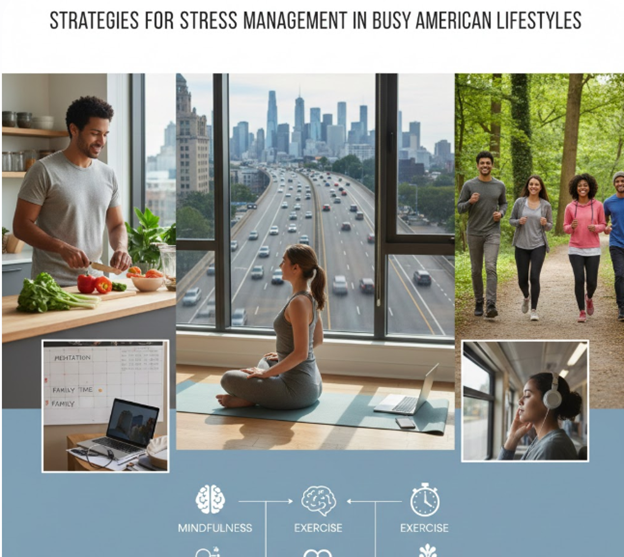
One of the simplest yet most effective habits I recommend is mindfulness, even if it’s just for a few minutes a day. Whether you’re stuck in traffic, sitting at your desk, or waiting in line, taking a moment to breathe deeply can reset your mind.
I often practice a quick breathing routine, inhale for four seconds, hold for four, and exhale for six. This small practice has helped countless professionals stay calm during their busiest days.
- Creating a Work-Life Rhythm
Many people strive for “balance,” but I find the term “rhythm” more realistic. Balance implies equal weight on all sides, stress management which is not always possible. Rhythm allows flexibility. I encourage people to identify their peak productivity hours, create boundaries around work, and schedule downtime intentionally. When you protect your time, you protect your mental clarity.
- Staying Physically Active
Exercise has always played a major role in how I manage stress personally and professionally. Even moderate activity, stress management like walking for 20-30 minutes, can improve your mood, increase focus, and reduce anxiety. The key is consistency, not intensity. I often tell clients that movement is medicine, especially for the mind.
- Simplifying the Daily Load
American lifestyles are fast-paced, but not everything needs to be done at once. I’ve helped many individuals reduce stress simply by simplifying their to-do lists. Delegating tasks, setting realistic goals, and breaking large projects into smaller steps can make life more manageable. Sometimes, stress stems from trying to do everything alone.
- Strengthening Personal Connections
Human connections are powerful stress relievers. Spending time with people who uplift and support you can make a noticeable difference in your emotional health. I always remind people that isolation amplifies stress, stress management while communication softens it. Talking through your worries with a friend, family member, or mentor can help you see challenges from a fresh perspective.
- Practicing Gratitude and Positive Reflection
A habit I personally value is ending the day with gratitude. Reflecting on even the smallest positive moments, stress management like a good conversation or a task completed, shifts the mind away from stress.
Over time, gratitude trains the brain to focus more on what’s working instead of what’s overwhelming. This simple practice has transformed the mindset of many clients I’ve worked with.
- Seeking Professional Support When Needed
There is no shame in reaching out for help. Therapists, counselors, and coaches can offer guidance and tools that make stress easier to manage. In my experience, people who seek professional help early often recover faster and feel stronger. Support is not a weakness; it’s a strategy.
- Creating Healthy Boundaries
One of the most important lessons I’ve learned is that boundaries are essential for peace of mind. Saying “no” when needed, limiting screen time, and taking breaks are all critical steps toward reducing stress. When you honor your limits, you create room for growth and healing.
- Embracing Small Daily Habits
Stress management doesn’t require dramatic changes. Small habits, like drinking enough water, maintaining good sleep hygiene, enjoying hobbies, and spending time outdoors, can create a long-term foundation for well-being. Over time, these habits become powerful tools that help you navigate stress more effectively.
Final Thoughts
Managing stress in the fast-moving American lifestyle is not about perfection, it’s about intention. With mindful habits, emotional support, and a healthier daily rhythm, you can create a life that feels balanced, focused, and fulfilling.
As I continue to guide individuals and communities, my mission remains the same: to help people live with clarity, confidence, and inner calm.